
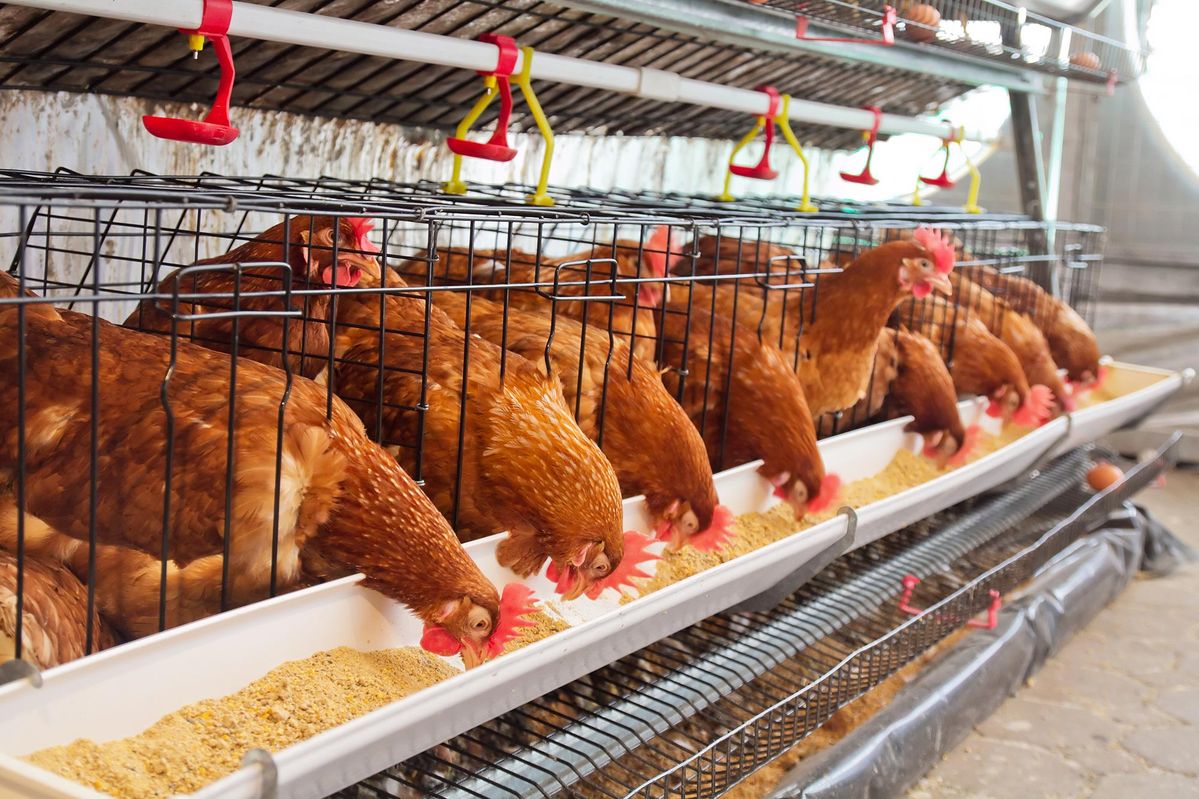
Poultry Farming Success Starts with Keeping Your Birds Alive
Poultry farming remains one of the most profitable agribusiness ventures in Kenya. With growing demand for eggs from households, hotels, schools, and institutions, many farmers continue to invest in layer production as a reliable source of income.
However, profitability in poultry farming is not determined solely by egg prices or flock size. One of the biggest factors affecting returns is mortality. Every bird lost represents lost investment in chicks, feed, vaccines, labor, housing, and future egg production.
Unfortunately, many poultry farmers experience preventable losses due to poor management practices, disease outbreaks, nutrition challenges, and delayed intervention. These losses can significantly reduce profitability and slow the growth of an otherwise promising enterprise.
Understanding the leading causes of layer mortality is the first step toward building a healthier, more productive flock. Here are the five major reasons chickens die on Kenyan farms and what farmers can do to reduce these risks.
1. DISEASE OUTBREAKS: THE LEADING CAUSE OF POULTRY LOSSES
Disease remains the biggest threat to commercial poultry farming in Kenya. A single outbreak can wipe out months of investment within days.
Among the most dangerous diseases affecting layer chickens are:
- Newcastle Disease
This highly contagious viral disease spreads rapidly and can cause extremely high mortality rates in unvaccinated flocks. Common signs include respiratory distress, paralysis, and sudden deaths.
Gumboro Disease
Gumboro primarily affects young birds by damaging their immune systems. Once immunity is weakened, chickens become vulnerable to secondary infections that further increase mortality.
Coccidiosis
This parasitic disease thrives in wet litter conditions. It damages the intestinal lining, causing poor nutrient absorption, bloody droppings, reduced growth, and death in severe cases.
How to Protect Your Flock
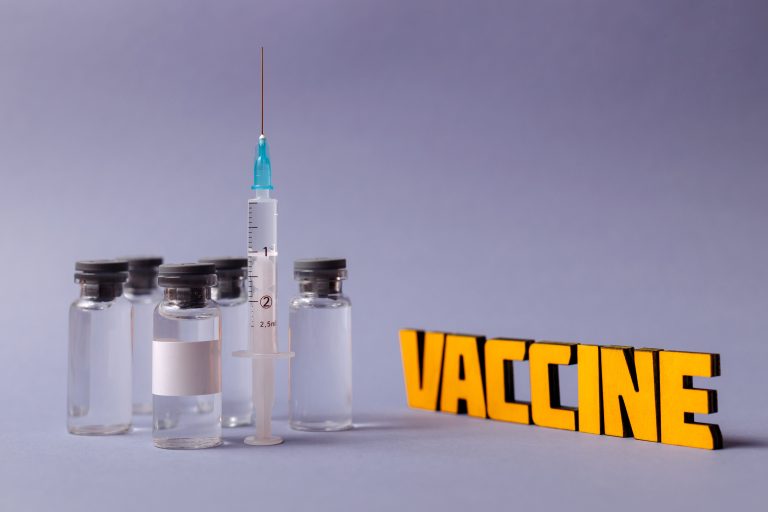
- Follow a complete vaccination schedule.
- Purchase vaccines from reputable suppliers.
- Maintain proper vaccine storage and handling.
- Keep poultry houses dry and clean.
- Monitor birds daily for unusual symptoms.
Preventing disease is far less costly than treating an outbreak after it occurs.
2. POOR BROODING MANAGEMENT: MISTAKES MADE EARLY CAN BE COSTLY
The first few weeks of a chick’s life often determine its future performance. Poor brooding practices can result in high mortality before birds even reach production age.
COMMON BROODING MISTAKES
Poor Temperature Control
Young chicks cannot regulate their body temperature effectively.
Cold conditions cause huddling, suffocation, and stress, while excessive heat leads to dehydration and reduced feed intake.
Delayed Access to Water
Chicks arriving from the hatchery require immediate access to clean drinking water. Delays can lead to transport stress, dehydration, and weakened immunity.
Poor Hygiene
Dirty brooding environments expose chicks to harmful bacteria and infections that can cause significant losses.
Best Practices
- Preheat the brooder before chicks arrive.
- Ensure constant access to clean water.
- Use clean and dry bedding materials.
- Observe chick behavior regularly to detect temperature problems.
A strong start creates healthier birds and improves future egg production.
3. POOR QUALITY FEED AND FEED TOXICITY
Feed accounts for the largest portion of poultry production costs. Unfortunately, poor-quality feed can also become a major cause of mortality.
Aflatoxin Poisoning
Aflatoxins are toxic substances produced by molds that grow on poorly stored grains and feed ingredients.
When birds consume contaminated feed, they may suffer:
- Liver damage
- Reduced immunity
- Poor growth
- Sudden death
Nutritional Deficiencies
Layer chickens require balanced levels of:
- Calcium
- Phosphorus
- Vitamin D3
- Protein
- Essential minerals
Deficiencies weaken bones, reduce productivity, and increase health complications.
Feed Management Tips
- Buy feed from trusted manufacturers.
- Store feed in dry, well-ventilated areas.
- Avoid feeding moldy feed.
- Regularly inspect feed for signs of spoilage.
- Ensure diets meet the nutritional needs of each production stage.
Quality feed is an investment, not an expense.
4. REPRODUCTIVE TRACT COMPLICATIONS IN MATURE LAYERS
As birds enter peak egg production, reproductive health becomes increasingly important.
Many mature layers die from reproductive tract complications that often go unnoticed until it is too late.
Egg Peritonitis
This condition occurs when yolk material enters the abdominal cavity instead of moving through the reproductive tract correctly. The resulting infection can be fatal.
Egg Binding
Egg binding occurs when a bird cannot pass an egg normally. Affected birds become weak, stop eating, and may eventually die if not assisted.
Prolapse
Prolapse happens when reproductive tissues protrude outside the vent after laying. Other birds often peck the exposed tissue, causing severe injury and death.
Risk Factors
- Obesity
- Poor nutrition
- Improper lighting programs
- Oversized eggs
- Poor flock management
These conditions can significantly reduce flock productivity and profitability.
Expert Focus: Preventing Reproductive Tract Complications
Since reproductive disorders are difficult to treat once they become severe, prevention should be the primary goal.
- Manage Body Weight Carefully
Avoid overweight birds by following recommended feeding programs and monitoring flock weights regularly.
- Maintain Growth Uniformity
Uniform flocks reach maturity at the same pace and experience fewer laying complications.
- Follow Proper Lighting Programs
Avoid increasing light hours before birds reach the recommended age and body weight for laying.
- Support Calcium Nutrition
Provide adequate calcium, phosphorus, and Vitamin D3 to strengthen eggshell formation and reproductive muscle function.
- Prevent Prolapse and Vent Pecking
- Reduce excessive light intensity.
- Isolate affected birds immediately.
- Provide enrichment materials to reduce aggressive pecking.
- Maintain Excellent Sanitation
- Keep litter dry.
- Clean nesting areas regularly.
- Ensure access to clean drinking water.
- Maintain strict hygiene throughout the poultry house.
5. Poor Biosecurity and Delayed Treatment
Many poultry losses occur not because diseases are difficult to manage, but because farmers respond too late.
Weak Biosecurity
Common biosecurity failures include:
- Uncontrolled visitor access
- Poor rodent control
- Wild bird contact
- Shared equipment between farms
These practices increase the risk of introducing harmful pathogens into the flock.
Poor Litter Management
Wet litter creates ideal conditions for disease-causing organisms and increases ammonia levels inside poultry houses.
Excess ammonia damages the respiratory system and makes birds more susceptible to infections.
Delayed Veterinary Intervention
Many farmers wait until mortality increases before seeking professional help. By that time, diseases may have already spread throughout the flock.
Practical Biosecurity Measures
- Restrict unnecessary visitors.
- Use footbaths at poultry house entrances.
- Maintain dry litter.
- Control rodents and wild birds.
- Consult a veterinarian immediately when unusual symptoms appear.
TOP 10 ACTION POINTS FOR POULTRY FARMERS
- Follow a complete vaccination schedule.
- Practice strict farm biosecurity.
- Maintain dry litter at all times.
- Purchase high-quality feed from reputable suppliers.
- Monitor flock health daily.
- Provide clean water continuously.
- Maintain proper brooding temperatures.
- Control flock weight and growth uniformity.
- Follow recommended lighting programs.
- Seek veterinary assistance immediately when problems arise.
The Investment Perspective
For poultry farmers and agribusiness investors, mortality control is one of the most effective ways to protect capital and improve returns.
A flock with low mortality rates:
- Produces more eggs.
- Uses feed more efficiently.
- Requires fewer treatment costs.
- Generates stronger cash flow.
- Delivers higher long-term profitability.
As Kenya’s demand for eggs continues to grow, commercial poultry farming remains an attractive agribusiness opportunity. However, success depends on disciplined management, strong biosecurity, quality nutrition, and proactive health monitoring.
Conclusion
Most layer chicken deaths in Kenya can be traced to five major causes: disease outbreaks, poor brooding management, poor-quality feed, reproductive tract complications, and weak biosecurity practices.
The good news is that these challenges are largely preventable. Farmers who invest in proper management systems, vaccination programs, nutrition, and timely veterinary support can dramatically reduce losses and improve flock performance.
In today’s competitive poultry sector, profitability is not simply about producing more birds. It is about protecting the birds you already have. By focusing on prevention rather than treatment, farmers can build healthier flocks, increase egg production, and achieve more sustainable returns from their poultry enterprises.
At Fincare Investments Limited, we believe successful agribusiness begins with informed decision-making. Whether you are starting a poultry venture or expanding an existing farming enterprise, access to the right knowledge, strategic planning, and productive agricultural land can significantly improve your chances of long-term success.
📞 Reach out for Agricultural Land Lease or Purchase Opportunities, coupled with Practical, Tailored Agribusiness Investment Advice.