
INTRODUCTION
If you’ve been thinking about farming or investing in agricultural land, you’ve probably asked yourself one question first.
How much does it actually cost to lease land in Kenya?
Lease prices vary from one location to another, and what you’re paying for goes beyond the land itself. Things like water availability, road access, irrigation, electricity, soil quality, and even nearby markets can make a big difference. A plot that looks expensive at first might actually save you money over time if it already has the infrastructure you need.
Finding the cheapest option isn’t always the smartest move. Finding the right value usually matters more.
1. HOW MUCH DOES IT COST TO LEASE LAND IN KENYA?
The cost of leasing land depends on where the land is located, how you’ll use it, and what comes with it. Here’s a general guide to help you plan your budget.
Agricultural Land Leases
Nairobi Metropolitan Region
Areas such as Kitengela, Isinya, Ngong, Machakos, Thika, and Kiambu are among the most sought-after farming locations because they are close to major markets and have relatively good infrastructure.
In most cases, lease rates range from Ksh 5,000 to Ksh 12,000 per acre per month, depending on the location and available facilities.
Land with reliable water, irrigation systems, good roads, electricity, or security features usually attracts higher lease prices. That’s expected because these amenities can reduce your operating costs once farming begins.
Rural Areas
If you’re willing to move farther from major towns, you’ll often find much lower lease rates.
Many rural areas offer farmland at around Ksh 10,000 to Ksh 50,000 per acre per year.
That sounds attractive, and sometimes it really is. Still, it’s worth asking a few extra questions before signing a lease. How accessible is the farm during the rainy season? Is there enough water? Can produce easily reach the market?
Lower lease costs can sometimes come with additional expenses later.
Commercial Land Leases
Commercial plots usually command higher prices because of their business potential.
In urban areas such as Nairobi, lease rates for plots measuring about one-eighth to one-quarter of an acre generally range from Ksh 10,000 to Ksh 50,000 per month.
Properties located along busy roads or those with reliable water, electricity, and easy access often sit at the higher end of that range.
2. WHAT AFFECTS LAND LEASE COSTS IN KENYA?
No two farms are exactly alike, so it’s no surprise that lease prices vary.
Here are some of the biggest factors that influence what you’ll pay.
Location
Land near Nairobi, major highways, trading centres, or established farming zones usually costs more because demand is higher and market access is easier.
Soil Fertility
Healthy, productive soils are valuable. Land that consistently supports good crop yields naturally attracts higher lease rates.
Infrastructure
A farm that already has irrigation systems, electricity, internal roads, fencing, storage facilities, or greenhouses can save you significant setup costs. That’s one reason these properties often lease for more.
Water Availability
Water is one of the first things experienced farmers ask about.
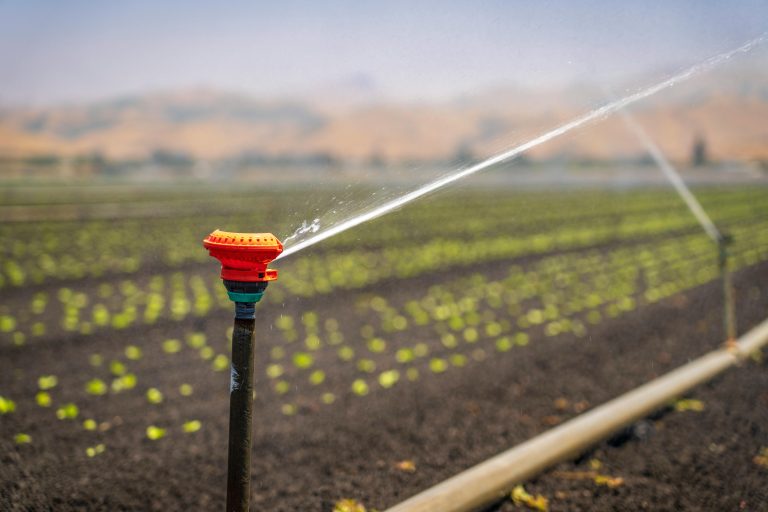
Land with boreholes, rivers, dams, or dependable irrigation infrastructure is often more expensive because reliable water reduces production risk.
Lease Terms
Some landowners offer flexible payment plans, while others ask for the full amount upfront. Longer lease agreements may also come with better pricing.
Lease prices are often negotiable. Working with experienced professionals can help you secure favourable terms while avoiding costly mistakes.
3. HOW CAN YOU REDUCE LAND LEASING COSTS?
Leasing farmland doesn’t always have to stretch your budget.
A few practical strategies can help you save money.
Choose a Longer Lease
Many landowners are willing to offer discounted rates for leases lasting five years or more. It gives them stability, and you may enjoy lower annual costs.
Share Costs with Other Farmers
If you’re starting small, partnering with other farmers can help spread lease expenses while making larger parcels more affordable.
Consider Emerging Farming Areas
Locations such as Kajiado, Isinya, and Machakos continue to attract farmers because they often provide good agricultural potential at more competitive lease rates than some established farming regions.
Lease Directly from Verified Owners
Working directly with verified landowners helps reduce unnecessary costs and lowers the risk of disputes later.
4. HOW TO LEASE LAND IN KENYA
Finding farmland is only one part of the process. Taking the right steps before signing a lease is equally important.
A. Search for Suitable Land
Look through verified listings, work with trusted property professionals, or visit county offices to identify available farmland.
B. Verify Ownership
Always confirm that the person leasing the property is the legal owner by checking the title documents.
C. Discuss the Lease Terms
Before signing anything, agree on the lease period, payment schedule, permitted land use, renewal options, and any responsibilities for maintenance or improvements.
D. Sign a Legal Agreement
A written lease agreement protects both parties and clearly outlines everyone’s obligations.
E. Register the Lease
If your lease exceeds five years, registering it with the Ministry of Lands provides additional legal protection.
It’s always wise to seek advice from a qualified lawyer or experienced real estate professional before signing a lease agreement.
5. LEASING OR BUYING FARMLAND – WHICH MAKES MORE SENSE?
There’s no single answer because every investor has different goals.
Leasing often works well if you’re starting an agribusiness, testing new crops, or expanding without making a large capital investment.
Buying farmland may be a better choice if you’re planning a long-term farming operation, building permanent infrastructure, or investing in land that could appreciate over time.
If you’re still unsure, leasing first can be a practical way to gain experience before committing to a purchase.
6. WHERE CAN YOU LEASE FARMLAND IN KENYA?
Several areas continue to attract farmers because they offer good agricultural potential and convenient access to markets.
Popular locations include:
- Kitengela
- Isinya
- Kajiado
- Ngong
- Machakos
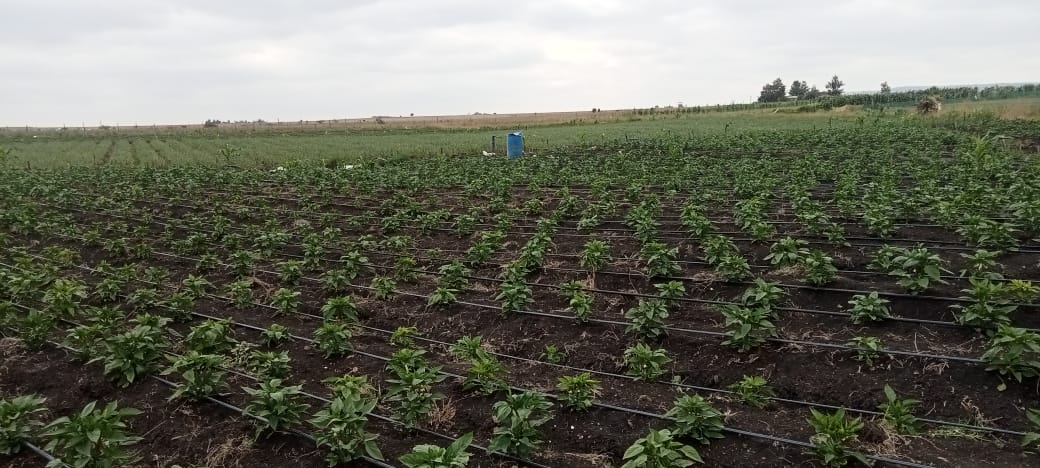
These regions are suitable for onions, tomatoes, capsicum, greenhouse farming, herbs, French beans, and livestock production.
CONCLUSION
Leasing farmland gives many farmers and investors an affordable way to access productive agricultural land without the large financial commitment of buying property.
Take your time before making a decision. Compare locations, understand what’s included in the lease, negotiate where possible, and carry out proper due diligence. Those extra steps can make a huge difference later.
FREQUENTLY ASKED QUESTIONS (FAQS)
1. How much does it cost to lease farmland in Kenya?
The cost of leasing farmland depends on the location, size of the land, and available infrastructure. In areas around Nairobi such as Kitengela, Isinya, Ngong, Machakos, Thika, and Kiambu, lease rates typically range from Ksh 5,000 to Ksh 12,000 per acre per month. In more rural areas, annual lease rates generally range from Ksh 10,000 to Ksh 50,000 per acre.
2. What factors affect the cost of leasing land in Kenya?
Several factors influence lease prices, including the land’s location, soil fertility, water availability, road access, irrigation systems, electricity, storage facilities, and the length of the lease agreement. Land with better infrastructure and easy access to markets usually commands higher lease rates.
3. Is leasing farmland better than buying?
It depends on your goals. Leasing is a good option if you’re starting an agribusiness, testing a new farming venture, or want to avoid the high upfront cost of purchasing land. Buying may be more suitable if you’re planning a long-term investment or intend to develop permanent farming infrastructure.
4. What should I check before leasing farmland in Kenya?
Before signing a lease agreement, confirm that the landowner has a valid title deed, inspect the land, assess water availability and accessibility, review the lease terms carefully, and ensure there is a written legal agreement. If the lease exceeds five years, it should also be registered with the Ministry of Lands.
5. Where can I find farmland for lease in Kenya?
Some of the most popular farming areas include Isinya, Kitengela, Kajiado, Ngong, and Machakos. These regions offer suitable conditions for crops such as onions, tomatoes, capsicum, herbs, French beans, greenhouse farming, and livestock production.