
INTRODUCTION
Poultry farming can create opportunities for Kenyan farmers, entrepreneurs, and agricultural investors. However, flock health is one of the operational factors that can influence whether a poultry enterprise maintains consistent production.
Disease outbreaks may result in bird losses, interrupted production, additional expenditure, and disruption to normal farm activities. That is why poultry health management should be part of the business plan from the beginning, rather than something addressed only when birds become sick.
Two important components are vaccination and biosecurity. Vaccination helps prepare birds to resist particular diseases, while biosecurity refers to the practices used to prevent infectious agents from entering a farm and spreading between birds.
1. WHY VACCINATION AND BIOSECURITY MATTER.
Vaccination and biosecurity serve different but complementary purposes.
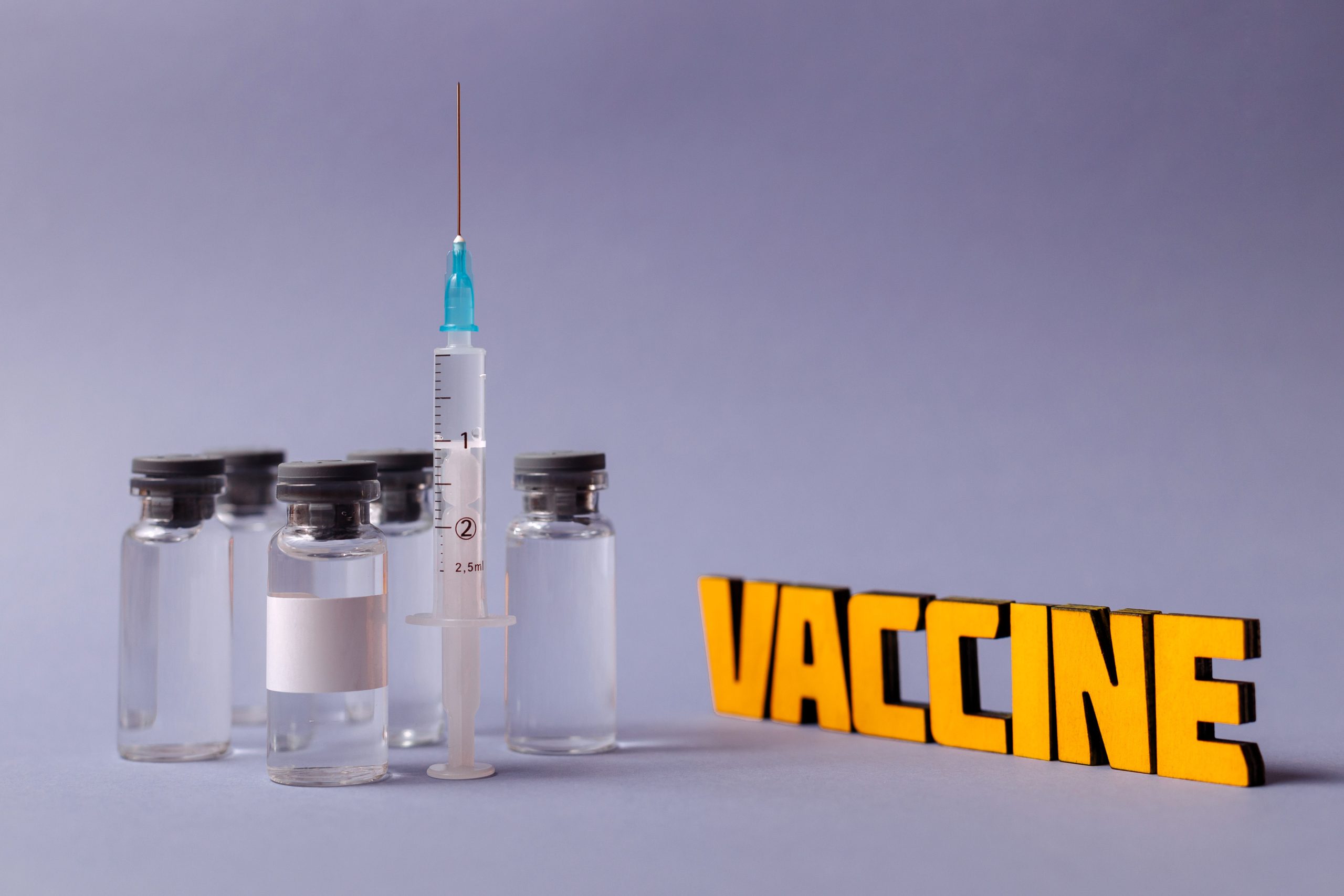
Vaccination stimulates a bird’s immune system to help protect it against a particular disease. Biosecurity focuses on reducing exposure to disease-causing organisms through measures such as hygiene, controlled movement, and separation of birds.
For example, a vaccinated flock can still be exposed to infectious agents through contaminated equipment, visitors, newly introduced birds, or other routes. Similarly, a farm with good hygiene may still need vaccination against diseases that pose a significant risk in its production environment.
For a commercial farmer, the objective is to establish a preventive health management system suited to the farm’s risks and production goals.
2. IMPORTANT POULTRY DISEASES FARMERS SHOULD UNDERSTAND.
Disease risks vary by location, flock type, and management conditions. Farmers should discuss locally relevant risks with a qualified veterinary professional.
Some diseases that deserve attention include:
- Newcastle disease: A contagious viral disease that can cause serious poultry health and production problems. Vaccination and biosecurity are important components of its control.
- Infectious bursal disease: Also known as Gumboro, this disease affects the immune system of young chickens. Vaccination decisions need to account for the flock’s circumstances and veterinary advice.
- Marek’s disease: A viral disease for which vaccination planning, including appropriate timing, is important in susceptible production systems.
- Infectious bronchitis: A contagious viral disease that can affect respiratory health and, in laying birds, production.
- Fowl pox: A viral disease for which vaccination may be considered according to local disease risk and professional recommendations.
3. POULTRY VACCINATION: WHAT FARMERS NEED TO KNOW.
A vaccination programme should be developed around the birds being raised, the diseases of concern, and the farm’s management conditions.
Broilers, layers, and improved indigenous chickens may have different vaccination needs because their production cycles, housing, exposure, and management differ.
Before vaccination, farmers should:
- Consult a qualified veterinary professional about the appropriate programme.
- Confirm the vaccine’s suitability, expiry date, storage requirements, and manufacturer instructions.
- Ensure that vaccines are transported, stored, prepared, and administered correctly.
- Keep records of the vaccine used, date administered, flock identification, and any relevant observations.
Vaccine handling matters. A product that has been improperly stored or administered may not perform as intended. Farmers should follow the manufacturer’s instructions and veterinary guidance rather than improvising doses or schedules.
Do not copy a vaccination timetable from another farm without checking whether it is appropriate for your flock.
4. PRACTICAL POULTRY BIOSECURITY MEASURES.
Use this checklist to review your farm’s everyday practices.
- Restrict entry to poultry houses and keep a visitor record.
- Use clean footwear and clothing, and wash or sanitize hands before entering poultry areas.
- Clean and disinfect equipment before moving it between houses or flocks.
- Obtain birds from reputable sources and seek veterinary advice before introducing new stock.
- Protect feed and water from contamination, rodents, wild birds, and other animals.
- Keep litter in good condition and remove dead birds promptly for safe disposal.
- Control rodents, insects, and other pests that may contribute to disease spread.
- Separate sick or suspect birds and seek veterinary advice promptly.
- Clean and disinfect housing and equipment between flocks, following an appropriate procedure.
5. COMMON VACCINATION AND BIOSECURITY MISTAKES.
Some preventable weaknesses can undermine a poultry health programme.
These include introducing birds without considering their health status, failing to maintain vaccine storage conditions, missing planned vaccinations, allowing uncontrolled visitor access, and neglecting cleaning between production cycles.
Another mistake is delaying professional advice when unusual illness or mortality occurs. Farmers should avoid assuming that every health problem has the same cause or responding with medication without an appropriate assessment.
6. THE FINANCIAL IMPLICATIONS.
Vaccination and biosecurity require resources. Depending on the farm, expenditure may include vaccines, veterinary services, disinfectants, protective clothing, housing improvements, pest control, staff training, and record-keeping systems.
These costs should be included in the poultry enterprise budget alongside feed, labour, housing, water, utilities, transport, and other operating expenses.
The commercial rationale is risk management. Disease prevention may help protect production continuity and reduce exposure to avoidable losses, but the financial benefit will depend on the diseases present, the quality of implementation, and the farm’s operating conditions.
There is no reliable basis here for promising a fixed return on vaccination expenditure or a particular reduction in mortality across all Kenyan farms.
For investors, the practical lesson is to assess flock health management as part of the farm’s operating plan, not as an isolated veterinary expense.
7. BUILDING A PRACTICAL POULTRY HEALTH PLAN.
Before stocking birds, take these steps:
- Assess the farm: Review housing, ventilation, drainage, water reliability, access control, and the proximity of other poultry operations.
- Plan with a veterinary professional: Develop a vaccination and disease-prevention programme suitable for the flock and location.
- Prepare the facilities: Establish cleaning routines, equipment controls, safe waste handling, and appropriate feed and water protection.
- Train farm workers: Ensure everyone understands entry procedures, hygiene, bird monitoring, and reporting responsibilities.
- Keep and review records: Track vaccinations, mortality, illness, production, cleaning, and relevant expenses.
CONCLUSION
- Vaccination and biosecurity perform different but complementary roles in poultry disease prevention.
- Vaccination programmes should be tailored to the flock and developed with appropriate veterinary guidance.
- Access control, hygiene, pest management, safe waste disposal, and flock monitoring are important daily practices.
- Health management should be included in farm budgeting and operational planning.
- Early veterinary advice and reliable records can support more informed management decisions.
Planning a poultry farming project in Kenya?
📞 Reach out for Agricultural Land Lease or Purchase Opportunities +254-725-50 50 50, +254-768-29 23 18
FREQUENTLY ASKED QUESTIONS.
1. Which vaccines do chickens need in Kenya?
The appropriate vaccines depend on the diseases affecting or threatening the flock, its age, production type, previous vaccination history, and local veterinary recommendations. Newcastle disease is an important consideration, but farmers should obtain a farm-specific vaccination programme rather than assume every flock needs the same schedule.
2. Can vaccination alone prevent poultry disease?
No. Vaccination helps protect against particular diseases, but it does not replace biosecurity, sound housing, hygiene, nutrition, or veterinary care. Disease prevention requires a combination of appropriate measures.
3. What are the most important biosecurity measures for a small poultry farm?
Start with controlled access, clean footwear and equipment, proper feed and water protection, pest control, safe disposal of dead birds, and careful management of newly introduced poultry. Maintain simple health and vaccination records.
4. When should a farmer consult a veterinarian?
Seek veterinary advice when developing a vaccination programme, introducing birds where health status is uncertain, experiencing unusual illness or mortality, or suspecting a disease outbreak. Suspected notifiable diseases should be reported to the relevant veterinary authorities.
5. Should poultry vaccination and biosecurity costs be included in the farm budget?
Yes. Include expected veterinary services, vaccines, hygiene supplies, labour, training, and relevant infrastructure in the operating budget. Actual costs depend on flock size, production system, local prices, and the measures recommended for the farm.