
INTRODUCTION
A surprising number of farming investments in Kenya don’t fail in the field. They fail before the first seed is even planted.
For Kenyan investors, agribusiness offers a compelling path to diversify income. But the gap between potential and actual returns remains wide.
Why? Because many investments are built on weak foundations. From unverified land purchases to poor planning, these early missteps quietly erode profitability long before harvest.
1. IGNORING LAND DUE DILIGENCE
Every successful farming investment starts with one critical decision. The land you choose.
Get this wrong, and everything that follows becomes more expensive, more complex, and far less profitable.
Consider this common scenario.
An investor spots a “great deal” on farmland just outside Nairobi. The price is attractive. The seller promises fertile soil and future development potential. Without physically visiting or conducting proper checks, the investor moves quickly to secure the deal.
Months later, reality sets in.
- The soil has low fertility and requires heavy correction
- There is no reliable water source
- Borehole drilling costs exceed initial projections
- Access roads are poor, increasing logistics costs
What looked like a smart entry point quickly turns into a capital drain.
This is not an isolated case. It reflects a growing pattern seen across many farming investments.
Pro Tips for Investors
- Always conduct full land due diligence before committing capital
- Invest in soil testing and water assessment early
- Prioritize land that supports irrigation and high-value crops
- Work with trusted, verified land providers who understand agribusiness requirements
Smart investors don’t just buy land. They invest in productive, income-generating assets.
2. FARMING WITHOUT A MARKET STRATEGY
Even with the right land in place, one mistake can quietly wipe out your returns. Producing without a clear market.
This is where many investments break down. The focus is on yields, not buyers.
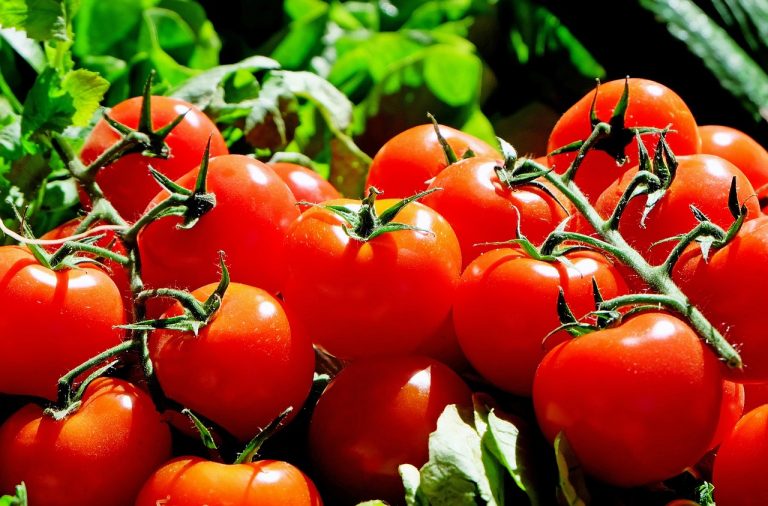
A farmer harvests tomatoes at peak season. Yields are strong. Quality is good. But the market is flooded. Prices drop by 30 to 60 percent within days. What should have been profit turns into damage control.
The problem is not production. It is timing and access. It is like harvesting value with nowhere to send it.
Smart investors flip the model. They start with the market, then produce for it.
- Secure buyers early
- Focus on export or high-demand channels
- Avoid relying on middlemen without contracts
A simple shift in approach changes everything. Farming becomes predictable. Income becomes consistent.
If your produce already has a destination before planting, you are no longer guessing. You are building a system.
3. UNDERESTIMATING CAPITAL REQUIREMENTS
Underestimating the true cost of farming can quietly stall your progress.
Many investors plan for land and planting, then get caught off guard by everything else. Irrigation, labor, inputs, transport. The small costs that add up fast.
Take a simple case. An investor sets up a greenhouse but budgets only for structure and seedlings. Midway, funds run out. Drip irrigation is delayed. Pest control becomes reactive. Harvest is pushed back. Returns shrink before they even begin.
In reality, costs often exceed initial estimates by 20 to 50 percent.
Starting a farm without enough capital is like building halfway and expecting full rent.
Smart investors think in full cycles.
- Budget beyond setup
- Factor in operations and buffers
- Prioritize efficient systems
That is how farming moves from effort to predictable income.
4. CHOOSING THE WRONG FARMING MODEL
Even with the right budget in place, another decision can make or break your returns. The farming model you choose.
This is where many investors get it wrong. They go for what is cheaper, not what is predictable.
Open-field farming looks affordable at the start. But it comes with exposure to weather, pests, and inconsistent yields. On the other hand, greenhouse and irrigated systems offer more control, better quality, and more stable pricing.
Take a Nairobi-based investor who set up strawberry farming in Limuru using a simple greenhouse system. With the cooler climate and controlled conditions, the first harvest came in about 90 days. Minimal supervision. Consistent output. Reliable market access to Nairobi.
Choosing the wrong model is like taking the longer road to the same destination. You spend more time, more effort, and get less return.
Smart investors align the model with their goals.
- Predictability over guesswork
- Systems over struggle
- Returns over assumptions
5. LACK OF FARM MANAGEMENT SYSTEMS
Even the most profitable farming model can struggle without proper oversight. A greenhouse, irrigation system, or high-value crop means little if management systems are weak.
One of the biggest hidden risks in farming is poor coordination. Many absentee investors lose money through inconsistent labor, weak supervision, and lack of reliable records. In most cases, the problem is not the farm itself. It is the absence of structured management.
A professionally managed farm operates like a well-organized company, where every activity is tracked, measured, and optimized for performance.
6. POOR CROP SELECTION FOR RETURN ON INVESTMENT
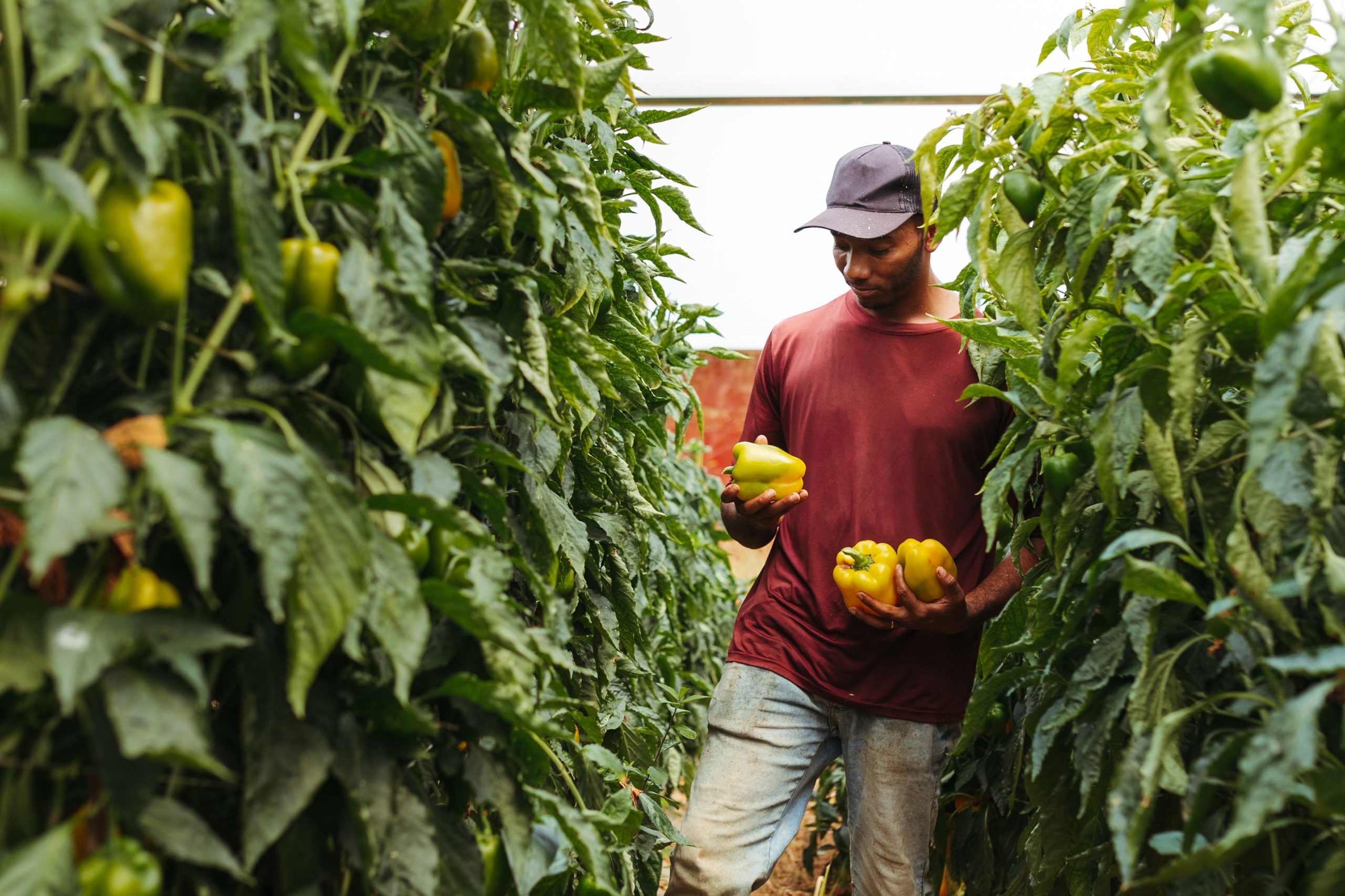
In Kenya’s agribusiness landscape, crop selection is directly tied to return on investment. Low-value crops may grow easily but often flood local markets, leading to thin margins. On the other hand, high-value crops like capsicum, herbs, and export vegetables consistently attract stronger prices and more stable demand.
A Nairobi-based investor initially allocated land to maize farming due to familiarity. After two seasons of low returns and price volatility, the project transitioned into capsicum production under a structured farming model. Within a short cycle, revenue stability improved significantly due to stronger market linkage and better pricing consistency.
Choosing a crop is not just an agricultural decision, it is a business strategy that defines profitability before the first seed is planted.
Crop selection is like choosing a business model, not just deciding what to grow.
7. NO CLEAR EXIT OR SCALING STRATEGY
After choosing the right crops for profitability, many investors still miss a critical layer that determines long-term success. A farm that cannot scale eventually stops growing, no matter how productive it is in the early stages.
In agribusiness, lack of a clear exit or scaling strategy means the investment remains static. Returns may come in, but there is no structured path for expansion, reinvestment, or business growth.
A Machakos based investor started with a small greenhouse project that delivered strong early yields. However, without a defined scaling roadmap, growth stalled after the first cycles. Later, with structured guidance, the operation was expanded into multiple units with reinvestment cycles, improving overall return on investment visibility and operational stability.
Farming without a scaling plan is like building a business with no expansion strategy, it works for a while, but never grows beyond its starting point.
Long-term agribusiness success depends on how well today’s returns are designed to fund tomorrow’s growth.
8. OVERRELIANCE ON SEASONAL RAINFALL
A long-term farming strategy becomes difficult to sustain when production depends entirely on unpredictable weather patterns. As many investors focus on scaling, climate uncertainty is quietly becoming one of the biggest threats to consistent agricultural returns.
Rain-fed farming in Kenya is no longer as reliable as it once was. Delayed rains disrupt planting schedules, reduce yield quality, and create income instability, especially for investors targeting premium or export markets. In many ASAL regions, relying solely on rainfall today is like running a business without a backup power source. One failed season can interrupt cash flow, delay expansion plans, and weaken investor confidence.
In Kajiado County, a horticulture investor missed a key supply contract after prolonged dry conditions delayed production by several weeks. After integrating drip irrigation and water storage systems, the farm achieved more stable harvest cycles and improved planning accuracy.
For modern agribusiness, water security is no longer optional. Investors pursuing profitable farming in Kenya are increasingly shifting toward climate-smart farming systems, greenhouse farming, and irrigation farming in Kenya to improve consistency, protect yields, and support long-term scalability.
9. FAILURE TO LEVERAGE STRUCTURED INVESTMENT MODELS
Even with irrigation systems, profitability can still remain inconsistent without proper operational structure. Many farming ventures struggle not because the opportunity is weak, but because execution lacks coordination, systems, and expert oversight.
A common mistake among new investors is treating farming as an informal side project instead of a professionally managed business. Poor labor supervision, inconsistent reporting, and delayed decision-making often lead to avoidable losses. Farming without structure is like building a company without a management team. Activity continues, but efficiency and accountability suffer.
One farmer invested in open-field vegetable farming in Machakos but faced recurring losses due to weak oversight and poor production planning. After transitioning into a managed greenhouse farming setup with structured reporting and agronomy support, production became more predictable and easier to monitor.
Successful agribusiness investment depends on structured farming models, managed farming systems, and professional support networks that reduce operational risk while improving scalability, consistency, and long-term returns.
CONCLUSION
When farming is supported by the right systems, planning, and expert guidance, it transforms from a risky venture into a scalable investment opportunity. The difference between struggling farms and profitable agribusinesses often comes down to preparation, execution, and long-term strategy.
Many of the losses investors experience in farming are not caused by lack of potential, but by avoidable mistakes. A well-structured farm operates much like a reliable investment portfolio, where smart planning protects returns and reduces unnecessary risk.
At Fincare Investments Limited, the goal is to simplify that journey by providing access to strategic agricultural land and ready farm infrastructure that make farming investment in Kenya more practical and sustainable.
FREQUENTLY ASKED QUESTIONS
What are the most common farming mistakes in Kenya?
The biggest mistakes include poor land due diligence, lack of market planning, weak farm management systems, and overreliance on seasonal rainfall. Successful agribusiness investment in Kenya requires structure, planning, and smart execution.
Is farming in Kenya profitable for investors?
Yes. With the right crop selection, irrigation systems, and access to reliable markets, profitable farming in Kenya can generate strong long-term returns for both local and diaspora investors.
Can diaspora investors manage farms remotely in Kenya?
Yes. Remote farming investment Kenya opportunities are growing through managed systems that provide reporting, agronomy support, and operational oversight for absentee investors.
Which farming model provides more predictable income?
Greenhouse farming Kenya investors are adopting offers better production control, improved water efficiency, and more stable yields compared to traditional rain-fed systems.
Which crops currently offer strong return on investment in Kenya?
High-demand export crops such as capsicum, herbs, strawberries, and specialty vegetables continue to attract investors seeking commercial farming opportunities Kenya can sustainably support.