
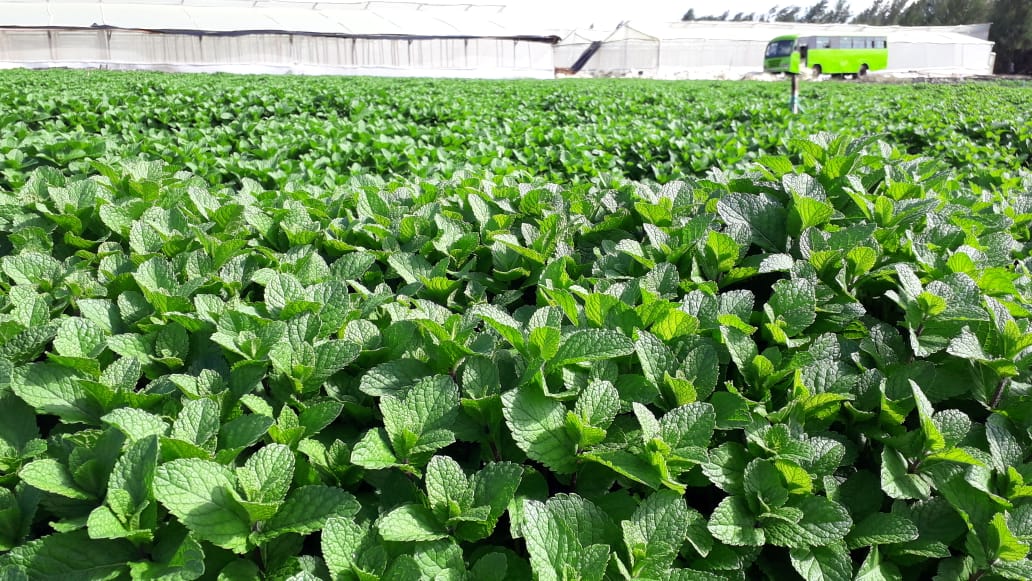
Introduction to Herb Farming in Kenya
Traditional crops have long dominated Kenya’s agricultural sector, but a shift toward high-value farming is gaining momentum. Herb farming has emerged as a lucrative venture, with herbs like basil, mint, thyme, sage, coriander, oregano, and tarragon being grown primarily for export to the European market. Farmers can tap into this growing industry with the proper knowledge and maximize profits.
Fincare Investments Limited plays a crucial role in agribusiness by facilitating land access through leasing or purchase, enabling farmers to engage in high-yield crop production and sustainable agricultural practices.
Most Profitable Herbs to Grow in Kenya
Several herbs thrive in Kenya’s diverse climatic zones, offering profitable returns. The most sought-after herbs for export include:
- Basil – Highly popular in European cuisine and commands a high price.
- Mint – Used in teas, beverages, and culinary dishes.
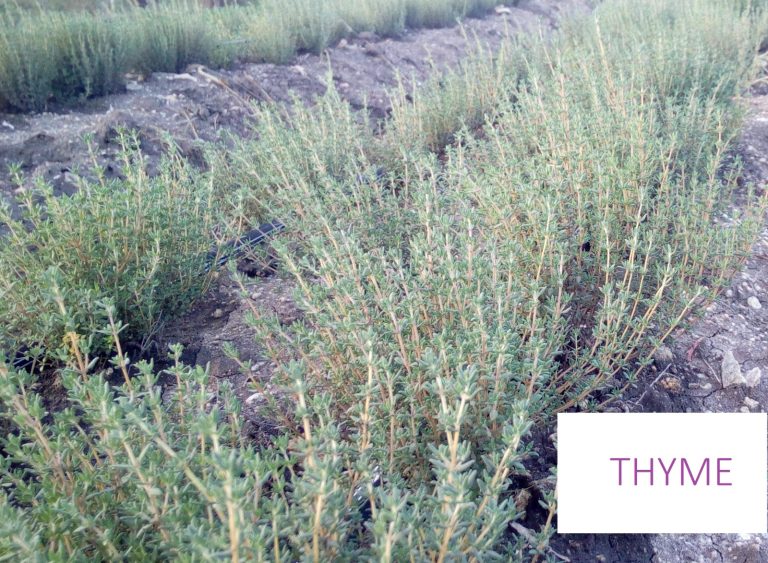
- Thyme – A staple in seasoning blends and medicinal applications.
- Sage – Grown for its culinary and medicinal benefits.
- Coriander (Dhania) – Commonly used in food preparation locally and abroad.
- Oregano – In high demand for its medicinal and culinary uses.
- Tarragon is valued for its aromatic leaves when cooking.
Starting a Herb Farming Business in Kenya
To start a successful herb farm, consider the following steps:
- Identify a Suitable Location – Herbs require well-drained soil and moderate temperatures.
- Obtain High-Quality Seeds or Seedlings – Purchase from reputable suppliers or nurseries.
- Prepare the Land – Ensure proper soil pH, structure, and organic matter content.
- Set Up an Efficient Irrigation System – Drip irrigation is highly recommended for optimal water use.
- Comply with Export Regulations – Register with regulatory bodies such as the Horticultural Crops Directorate (HCD).
Cultivation Practices for High-Yield Herb Production
Growing herbs successfully requires the proper cultivation techniques:
- Soil Preparation – Loamy, well-draining soil with adequate organic matter.
- Planting Techniques – Direct seeding or transplanting seedlings.
- Watering Schedule – Regular but moderate watering to prevent root rot.
- Pest and Disease Control – Use organic pesticides and good farming practices to minimize losses.
- Harvesting and Post-Harvest Handling – Cut herbs at peak freshness and store them in cool, dry conditions.
Market Opportunities for Kenyan Herb Farmers
Kenyan herb farmers have multiple market avenues, including:
- Export Markets – The European Union, particularly the Netherlands and the UK, demand fresh herbs.
- Local Supermarkets and Groceries – Chains such as Carrefour and Naivas stock fresh herbs.
- Hotels and Restaurants – Upscale hotels and eateries use fresh herbs in gourmet dishes.
- Direct Sales to Consumers – Farmers can sell directly via online platforms and farmers’ markets.
Profitability of Herb Farming in Kenya
Herb farming can be highly profitable if managed well. Profit margins vary based on production costs, market prices, and yield per acre. For instance:
- Basil fetches between KSh 300 – KSh 500 per kg in local and export markets.
- Depending on demand, mint can yield KSh 200 – KSh 400 per kg.
- Due to their culinary and medicinal value, thyme and oregano command premium prices. With an acre of land, proper management, and market connections, farmers can earn between KSh 500,000 and KSh 1,500,000 annually.
Challenges in Herb Farming and Their Solutions
Like any agribusiness, herb farming comes with its challenges:
- High Input Costs – Solution: Source affordable but high-quality inputs and practice organic farming.
- Pests and Diseases – Solution: Use integrated pest management techniques.
- Market Access Issues – Solution: Partner with exporters, cooperatives, and online marketplaces.
- Climate Variability – Solution: Utilize greenhouses or shade nets for controlled environments.
Frequently Asked Questions (FAQs)
1. Where can I sell herbs in Kenya? You can sell herbs to exporters, local supermarkets, hotels, and direct consumers.
2. How profitable is herb farming in Kenya? With the proper practices, farmers can earn KSh 500,000+ per acre annually.
3. Which herbs are exported from Kenya? Commonly exported herbs include basil, thyme, oregano, tarragon, and mint.
4. What is the best way to sell fresh herbs? Selling through contracted exporters, supermarkets, and online platforms ensures a steady market.
5. How do I start my own herbal business? Start by researching profitable herbs, sourcing quality seeds, and establishing a reliable market connection.
Conclusion
Herb farming in Kenya presents an exciting opportunity for small-scale and large-scale farmers. By selecting profitable herbs, following best farming practices, and exploring the proper market channels, farmers can turn herbs into a sustainable agribusiness. With increasing demand in local and international markets, now is the perfect time to venture into herb farming.
HOW FINCARE INVESTMENTS LIMITED SUPPORT AGRIBUSINESS ENTREPRENEURS
Land Leasing and Sales for Agribusiness
Access to land is a fundamental requirement for any successful agribusiness venture. Fincare Investments Limited provides Agribusiness Entrepreneurs with affordable land options for leasing or purchase, enabling them to establish and expand their agricultural enterprises.
By partnering with Fincare Investments Limited, agripreneurs can secure land in strategically located agricultural regions such as Isinya, Kajiado County, Kenya—an area well-suited for crop cultivation and livestock farming. With access to prime agricultural land, young entrepreneurs can maximize productivity and create successful businesses.