
INTRODUCTION: THE SILENT FACTOR BEHIND FARM SUCCESS
Across Kenya’s farming regions, a common pattern appears. Two farmers plant the same crop. They buy similar seeds. The rains arrive at roughly the same time. Yet the results look completely different.
One farm produces strong harvests season after season. The other keeps struggling. Not dramatically at first. Just small disappointments that add up.
At first glance, people blame the obvious things. Maybe the seed variety. Maybe timing. Maybe the weather.
But more often than not, the real explanation sits quietly beneath the surface.
The Soil.
Healthy soil behaves less like dirt and more like a living system. It stores nutrients, manages water, and hosts a whole community of microorganisms that help plants grow. When that system works well, crops respond quickly. Growth looks stronger. Harvests become more reliable.
When the soil weakens, things start slipping. Yields drop. Fertilizer costs creep up. Farming becomes a bit unpredictable.
Soil health quietly controls several things farmers care deeply about:
- How efficiently crops absorb nutrients
- How well the soil holds water during dry spells
- How easily roots expand and reach minerals
- How resilient crops become when the weather shifts
Soil is the engine running underneath the farm. You do not always see it working. But the results show up everywhere.
1. THE POWER OF HEALTHY SOIL
Once you begin paying attention to soil health, certain farming problems suddenly start making more sense.
- Poor crop growth.
- Uneven plant development.
- Fertilizer costs that keep climbing.
Picture two neighboring farmers at the start of the rainy season. Both prepare their land around the same time. Both plant good seed.
A few weeks later, the difference shows up.
One field looks vibrant. Plants stand upright. Leaves carry that deep healthy green farmers like to see. Growth looks uniform across the field.
Next door things look different. Some plants grow well. Others seem stuck. A few look stressed even though the weather has been decent.
If you tested the soil in both farms, you would likely find a clear explanation.
One soil still functions as a balanced ecosystem. The other has gradually lost some of that biological life crops depend on.
Soil health refers to the biological, chemical, and physical condition of soil that allows crops to grow well over time.
Healthy soil is not simply something that holds plants upright. It behaves more like a living environment where water, minerals, microbes, and organic matter interact constantly.
And when that balance holds, farming becomes a lot easier.
Core components of healthy soil
Several elements quietly work together to create productive land:
- Balanced nutrients such as nitrogen, phosphorus, and potassium
- Active soil microorganisms that break down organic matter
- Organic matter that improves fertility and moisture retention
- Stable soil structure that allows deeper root growth
- Good aeration so roots and microbes receive oxygen
When these pieces function together, crops gain steady access to water and nutrients. Growth becomes more predictable.
Healthy soil contributes directly to:
- Higher yield potential
- More consistent harvests across seasons
- Lower long term input costs
- Better resilience during drought or irregular rainfall
2. WHERE SOIL MEETS PROFIT
Understanding soil health is useful. But the conversation becomes more interesting when money enters the picture.
Healthy soil changes the economics of a farm. When nutrients are balanced and organic matter remains high, crops perform better almost automatically. Yields rise. Crop quality improves. Farmers spend less time trying to fix problems that should not exist in the first place.
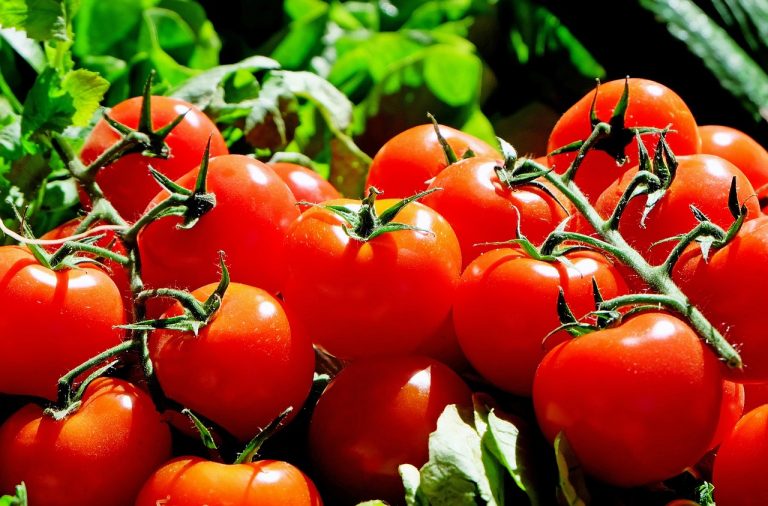
A tomato grower in Kajiado kept increasing fertilizer every season. His costs climbed steadily, yet harvest volumes barely moved.
Eventually he ran a soil test. The result surprised him. Organic matter in the soil was extremely low.
So he shifted strategy. Compost went back into the fields. Crop rotation became part of the routine.
Within two seasons things improved. Yields rose and fertilizer use dropped.
Sometimes the issue is not the inputs. It is the soil itself.
Soil behaves like the farm’s financial engine. When that engine runs smoothly, everything else becomes more efficient. Water stays longer in the root zone. Nutrients remain available. Plants experience less stress during dry periods.
Productive soil does not only grow crops. It protects margins. It stabilizes yields. It quietly strengthens the long term value of farmland.
3. SOIL HEALTH ON THE DECLINE
Healthy soil drives farm performance.But here is something many people only realize later. Soil health is easier to damage than to rebuild.
Across many Kenyan farms, the decline rarely happens suddenly. It creeps in slowly, season after season.
Take continuous monocropping. In some maize growing areas the same crop appears every year. Nutrients slowly drain from the soil profile. Yields begin slipping.
Farmers respond by adding more fertilizer. Costs rise. Yet productivity barely improves.
Soil erosion creates another quiet problem. Heavy rains wash away topsoil. And that top layer holds most of the nutrients crops rely on.
Then there is excessive tillage. A farm’s soil is turned repeatedly until it becomes compacted and lifeless. Water stops soaking in properly. Roots struggle to expand.
Soil degradation works like a slow leak in a business account. Each season a little value disappears.
At first the farm still looks productive. But underneath, the foundation is gradually weakening.
4. SOIL TESTING: THE HIDDEN ADVANTAGE
If soil degradation weakens farms quietly, how do farmers avoid that trap?
Very often it begins with something simple. Soil testing.
Before planting, experienced growers collect small soil samples and send them for analysis. The results reveal details that farmers sometimes guess at.
- Nutrient levels.
- Soil pH.
- Organic matter content.
In other words, the real condition of the land.
A Nairobi farmer leased a small vegetable plot in Kajiado. His first instinct was to buy fertilizer immediately.
A soil test told a different story. Nitrogen levels were already adequate. Potassium was the missing piece.
Adjusting the fertilizer plan saved money and improved crop performance that same season.
Think of soil testing as a medical check up for the farm. Most people would not start treatment without diagnosis. Farming works the same way.
Many farms struggle simply because this step gets skipped.
Yet a simple soil test answers the questions investors often ask first. What nutrients are missing? Which crops suit the soil? How productive can the land realistically become?
5. SMART PRACTICES FOR STRONGER SOIL
Once farmers understand what the soil needs, the next step becomes rebuilding its strength.
Instead of pushing the soil harder every season, regenerative farming focuses on restoring its natural balance.
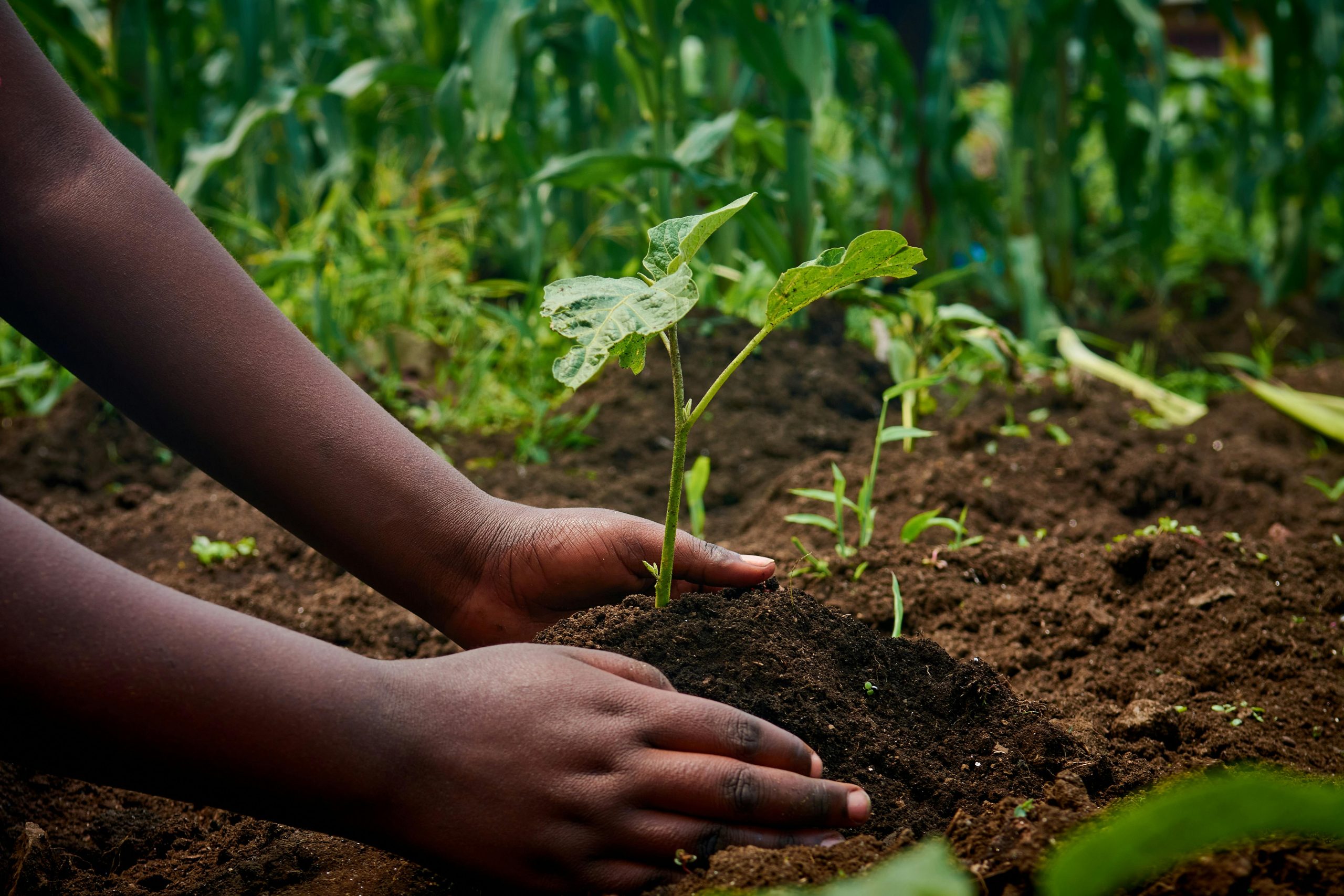
Compost and organic manure return nutrients and organic matter to the land. Crop rotation, especially with legumes, naturally replenishes nitrogen. Cover crops protect the soil surface and improve structure below.
Reduced tillage also plays an important role. When soil is disturbed less frequently, microbial life slowly recovers.
A farmer in Kajiado introduced compost and rotating vegetables with legumes. Within a few seasons he noticed stronger root development. Irrigation needs dropped slightly. Fertilizer use declined.
Sometimes the soil simply needs time and the right care to recover.
6. STABLE SOIL, THE SECRET TO PREDICTABLE YIELDS
When soil begins recovering, something subtle happens. Crop performance becomes more predictable.
Healthy soil creates a stable environment for roots. Nutrients remain available throughout the season. Organic matter helps retain moisture longer.
Healthy soil works like a natural stabilizer for the farm. Soil rich in organic matter behaves like a sponge. It stores water and releases it gradually as crops need it. Beneficial microbes continue recycling nutrients throughout the growing season.
CONCLUSION: SOIL HEALTH, THE STRATEGIC ADVANTAGE IN MODERN AGRICULTURE
Soil might look ordinary at first glance. But it quietly determines whether a farm thrives or struggles.
Farms with well balanced soil tend to produce stronger yields. Input costs remain manageable. Crops handle unpredictable weather with a bit more resilience.
For investors or farmers thinking long term, that foundation matters more than flashy technologies or short term strategies.
Healthy soil supports the entire system. Every successful harvest begins underground. Long before seeds sprout, the soil is already shaping the outcome.
And if the soil stays healthy, the farm usually has a much better chance of succeeding season after season.
FREQUENTLY ASKED QUESTIONS
1. What is soil health in farming?
Soil health refers to the ability of soil to function as a living ecosystem that supports plant growth. Healthy soil supplies nutrients, stores water efficiently, and supports microorganisms that help crops grow stronger over time.
2. Why is soil fertility important for high yield farming?
Fertile soil supplies crops with essential nutrients while supporting strong root systems and water retention. When soil fertility is high, crops grow more efficiently and farmers often rely less on excessive fertilizers.
3. How can farmers naturally improve soil productivity?
Farmers often rebuild soil using compost, organic manure, crop rotation, cover crops, and reduced tillage. These practices increase organic matter and support beneficial soil organisms.
4. Is soil testing necessary before starting a farm?
Yes. Soil testing helps farmers understand nutrient levels, pH balance, and organic matter content. That information guides fertilizer decisions and crop selection.
5. What causes soil degradation on Kenyan farms?
Common causes include erosion, repeated monocropping, excessive chemical fertilizer use, over cultivation, and poor irrigation practices. Over time these factors reduce soil fertility and crop productivity.
6. What are climate smart soil management practices?
Climate smart practices include mulching, cover cropping, compost application, drip irrigation, and erosion control. These approaches help farms remain productive even when weather patterns become less predictable.